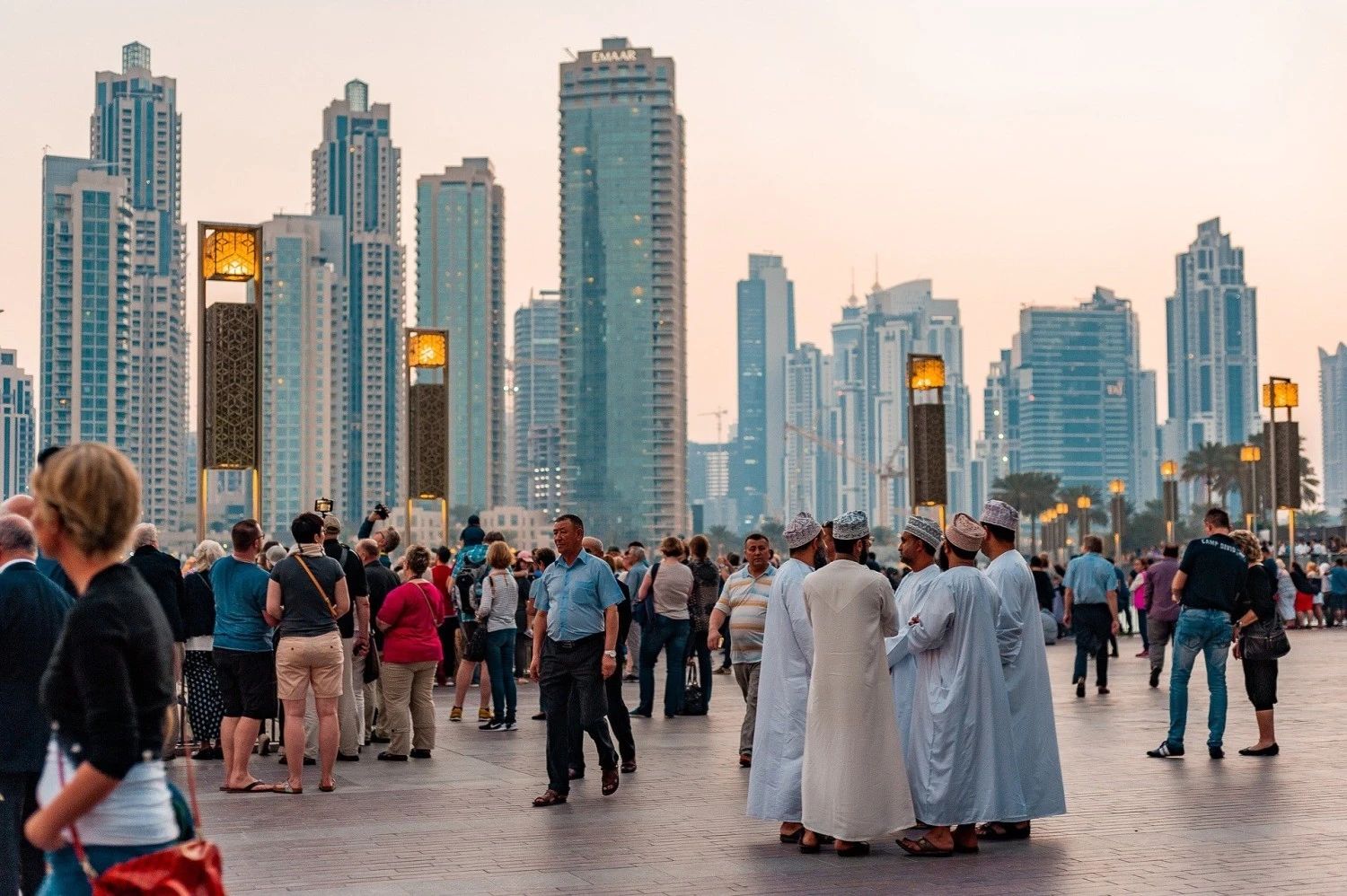
📷 The Dubai skyline at night — the city has become one of the primary relocation destinations for African professionals.
Dubai is no longer a novelty destination for Africans — it is a home. Over the past decade, the Emirati megacity has become one of the primary migration destinations for professionals from Nigeria, Ghana, Kenya, South Africa, and across the continent. The reasons are compelling: no income tax, world-class infrastructure, easy access to global business, and a lifestyle that rewards ambition.
Why Africans Are Choosing Dubai
The appeal of Dubai for African professionals is multifaceted. The UAE has zero personal income tax — a significant advantage for high earners. English is the business language. The infrastructure (roads, hospitals, schools, internet) is among the best in the world. Dubai is geographically positioned as a hub between Africa, Asia, and Europe, making it attractive for entrepreneurs and executives with global ambitions. And the Nigerian, Ghanaian, and East African communities in Dubai are now substantial — meaning the sense of cultural alienation that can come with moving to a Western country is considerably reduced.
Visa Options for African Professionals
- Employment Visa: The most common route — your UAE employer sponsors your residency visa. The process begins with a job offer from a UAE company.
- Freelance/Self-Employment Visa: The UAE now offers a freelance permit through various free zones (TECOM, Dubai Media City, Dubai Silicon Oasis) that allows self-employed professionals to operate legally.
- Golden Visa (10-year residency): Available to investors (minimum AED 2 million property investment), entrepreneurs, specialised talents (doctors, engineers, scientists, artists), and outstanding students. Once a distant aspiration, this is now achievable for a growing number of Nigerian professionals.
- Digital Nomad Visa (Virtual Working Programme): For remote workers employed by non-UAE companies, allowing legal residence while working for a foreign employer.
Housing: What to Expect
Dubai's rental market can be a shock for new arrivals. The city is structured into distinct communities, each with a different character and price point:
- Downtown Dubai / DIFC: Premium. Studio apartments from AED 80,000/year. Proximity to major employers and world-class amenities.
- Jumeirah Village Circle (JVC) / Sports City: The sweet spot for value — good infrastructure, reasonable commute, community feel. Studio from AED 35,000/year.
- Deira / Bur Dubai: The most affordable areas, and also the most culturally diverse. Strong Nigerian and broader African communities here.
Banking and Finance
Opening a bank account in the UAE requires your Emirates ID (issued after visa processing), your tenancy agreement or DEWA (electricity) bill as proof of address, and your employment contract. Emirates NBD, ADCB, and Mashreq are the major local banks. Most transactions — rent, school fees, grocery shopping — can be done through Apple Pay, card, or bank transfer. Cash usage is declining.
Schooling for Children
Dubai has an excellent private school sector with numerous Nigerian families enrolled in British, American, and IB curriculum schools. KHDA (the Knowledge and Human Development Authority) rates all Dubai schools and publishes annual inspection reports — always check ratings before enrolling. Fees range from AED 15,000 to AED 100,000+ per year depending on curriculum and school quality.
Practical Tips
- The Ramadan period (working hours reduced, restaurants closed during daylight hours) requires planning for new arrivals
- Dressing modestly in public areas is legally required — this is stricter than many African countries
- The summer months (June–September) are extremely hot (45°C+). Almost all activities move indoors.
- The Nigerian community hosts regular networking events — seek them out early, they are invaluable
"Dubai gives you the world's best infrastructure and asks nothing in return except your ambition. For African professionals ready to compete globally, it is one of the most rewarding cities on earth."